To choose a commercial aluminum railing supplier in 2026, verify four points before award: guard and handrail design that meets IBC and ADA, documented welding and finish specs, fabrication to your approved drawings, and a written lead time. Richards Aluminum Fab LLC returns railing quotes within 24–48 business hours.
Table of Contents
Why Railing Packages Fail Inspection Before Turnover
The inspector flags the stair guards two weeks before turnover. Openings exceed 4 inches, handrail height is off, and your crew is re-drilling while the schedule slips.
Most of those failures trace back to the supplier, not the installer. This guide gives contractors, architects and developers seven checks to vet an aluminum railing supplier, the documents to send and realistic 2026 timelines. Still comparing shops? Read how to choose the right aluminum fabrication shop.
7 Checks to Vet a Commercial Aluminum Railing Supplier
A qualified commercial aluminum railing supplier proves code compliance, fabricates to approved drawings, documents welds and finishes, and commits to a lead time in writing. Checking these points before award prevents field rework, failed inspections and finish mismatches that erode margin on multifamily, hospitality and institutional projects.
1. Code-compliant guard and handrail design
Guards must resist the loads in IBC Section 1607.9: 50 pounds per linear foot and a 200-pound concentrated load at the top rail. Ask the aluminum railing supplier how those loads are verified. Confirm 42-inch guard height, 4-inch sphere openings (IBC 1015) and ADA handrail rules on accessible routes.
2. Fabrication to your drawings
Field adjustments are where railing budgets leak. Richards Aluminum fabricates every system to project drawings and specifications, removing on-site rework. Ask any aluminum railing supplier who prepares shop drawings and how revisions get approved.
3. Documented welding procedures
Structural aluminum welding falls under AWS D1.2. Ask your aluminum railing supplier for welding procedures and welder qualification records. Welded picket-to-rail joints avoid the loosening bolted assemblies develop under daily traffic.
4. Alloy and finish in writing
Architectural railings typically use 6000-series alloys such as 6061-T6 and 6063-T6, as designated by the Aluminum Association. Specify anodized or powder coat finish and its AAMA performance level for exterior exposure. For coastal sites, review our guide to marine-grade aluminum systems.
5. One supplier for every railing condition
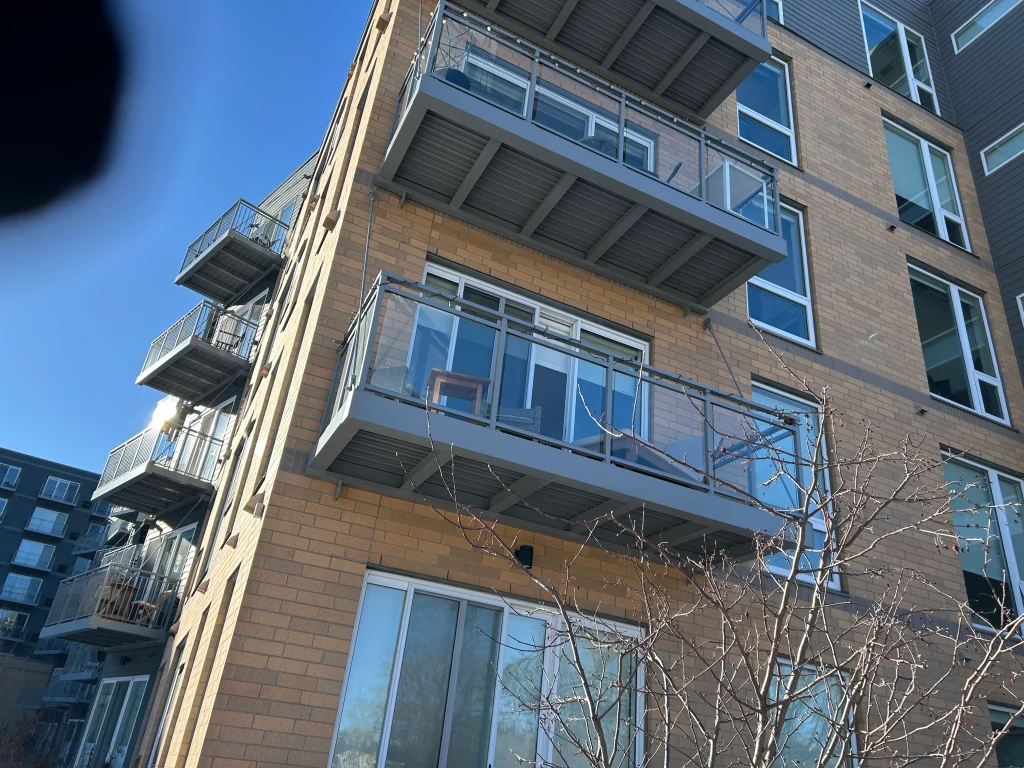
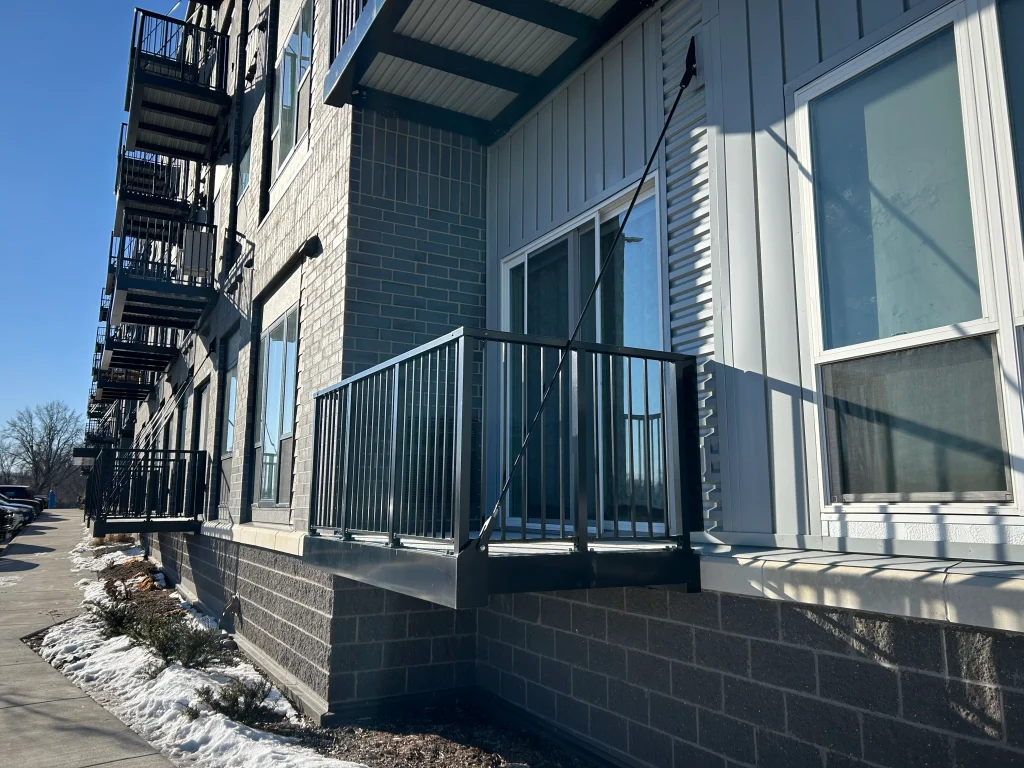
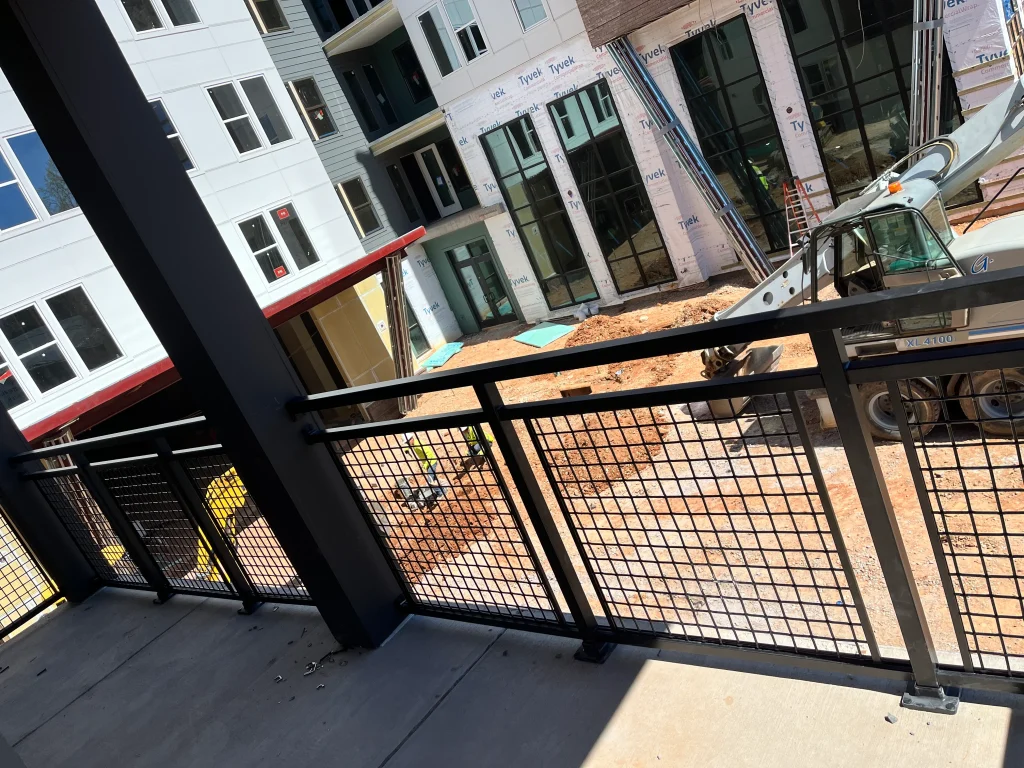
Splitting balconies, stairs and corridors across vendors breaks finish consistency. One aluminum railing supplier should cover it all: Richards Aluminum offers 2-line, 3-line, picket and glass balcony railings, breezeway railings, stair guards, ADA handrails and mesh infill through its aluminum railing systems line.
6. Inspection before shipment
Ask each aluminum railing supplier what gets inspected. Richards Aluminum checks every component before dispatch, and technical documentation ships with each order to support inspections and audits.
7. A written schedule
A vague “a few weeks” is a red flag. A reliable aluminum railing supplier puts production and delivery terms in the proposal, aligned with your installation sequence.
Have drawings ready?
Send them for a technical review before you award the railing package.
| Railing system | Typical application | Relative cost | Spec to confirm |
|---|---|---|---|
| Picket railing | Stairs, breezeways, balconies | Base | 4-inch openings, weld procedure |
| 2-line / 3-line railing | Multifamily balconies | Base to medium | Rail spacing and 4-inch openings |
| Glass panel railing | Hotels, amenity decks | High | Glass type and wind exposure |
| Mesh or screen infill | Corridors, parking structures | Medium | Panel attachment and finish |
| ADA handrail | Ramps, accessible stairs | Base | 34–38 inch height, grip size |
Documents an Aluminum Railing Supplier Needs to Quote
An accurate railing quote needs drawings or a clear project description, linear footage by railing type, finish and color, and the code edition your jurisdiction enforces. Richards Aluminum also quotes projects without finished drawings, then follows up with targeted questions to firm up numbers.
- Architectural or shop drawings, or a written description with approximate dimensions.
- Railing type per area: balcony, breezeway, stair, landing or ADA handrail.
- Linear footage and number of floors or units.
- Infill choice: picket, horizontal line, glass, mesh or screen.
- Finish: anodized or powder coat, color and coating specification.
- Mounting condition: top-mount, fascia-mount or embedded posts.
- Location, schedule and delivery sequence by floor.
- Other systems in scope, such as aluminum fence and gate systems, for one consolidated quote.
Aluminum Railing Prices and Lead Times in 2026
Commercial aluminum railing pricing depends on linear footage, infill type, finish, mounting and repetition across floors, so reliable figures come from a project-specific quote. A serious aluminum railing supplier states materials, quantities, production timeline and delivery terms in writing; Richards Aluminum delivers that proposal within 24–48 business hours.
Planning range: commercial aluminum railing typically runs about $35–$75 per linear foot, depending on infill type, finish and mounting condition. Glass infill and custom profiles can exceed that range.
These figures are budgeting estimates, not a quote. Your actual price comes from a project-specific proposal from Richards Aluminum.
| Cost factor | Effect on price | How to control it |
|---|---|---|
| Infill type | Glass and mesh cost more than pickets | Reserve premium infill for visible areas |
| Finish | Higher-performance exterior coatings cost more | Match the coating to real exposure |
| Repetition | Repeated modules lower unit cost | Standardize dimensions across floors |
| Drawing completeness | Missing data adds revision rounds | Send drawings and specs up front |
Quote response: 24–48 business hours after a complete request. Multi-system projects or first-time material sourcing may take slightly longer. Fabrication and delivery dates are set in each proposal.
Aluminum Railing Supplier FAQs
How fast should a commercial aluminum railing supplier send a quote?
Within two business days. Richards Aluminum responds within 24–48 business hours and flags missing details right away.
Do I need finished drawings to request a railing quote?
No. Drawings improve precision, but a clear description with approximate dimensions is enough to start.
Can aluminum railings meet ADA and IBC requirements?
Yes, when designed for them. Richards Aluminum fabricates ADA-compliant handrail systems and railings built to applicable building codes, which lowers the risk of inspection rejection.
Can one aluminum railing supplier quote railings and fencing together?
Yes. Richards Aluminum prepares one consolidated quote covering railings, fencing, ladders, canopies or balconies, which simplifies budgeting.
Final Takeaway: Choosing Your Aluminum Railing Supplier
Choosing an aluminum railing supplier comes down to proof: code-compliant design, fabrication to drawings, documented finishes and a written schedule. Richards Aluminum Fab LLC delivers all four, inspects every component before shipment and includes technical documentation with each order. Whether you need one custom railing or a full multifamily package, send your drawings or project description and get a proposal you can budget around.
Request your aluminum railing quote — response in 24–48 business hours
Written by the Richards Aluminum Team at Richards Aluminum Fab LLC, a commercial aluminum railing supplier and fabricator of structural aluminum systems in Dunn, NC. Code references:
- 2021 International Building Code (ICC)
- 2010 ADA Standards (U.S. Access Board)
- AWS D1.2
- Aluminum Association designations
- AAMA/FGIA coating specifications
Last updated: October 19, 2026.